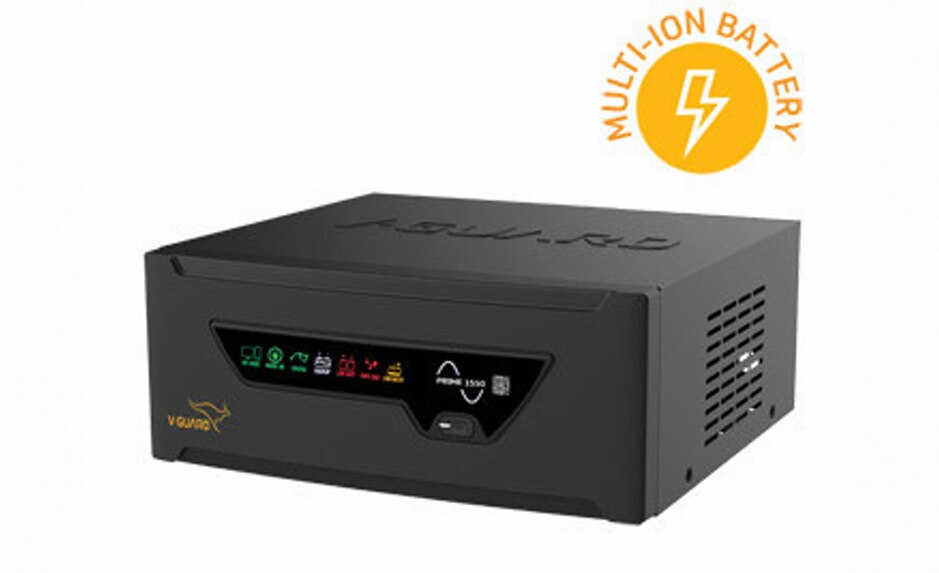


Description
Product details
provides emergency backup power and voltage regulation during grid failures. Core Components of a UPS System • Battery: Stores electrical energy in direct current (DC) form during normal grid operation. • Inverter: Converts stored DC power from the battery into usable alternating current (AC) power for connected devices. • Charger (Rectifier): Converts incoming AC utility power into DC to keep the battery charged. • Automatic Transfer Switch (ATS): Instantly switches power delivery from the grid to the battery during a blackout or voltage drop. • Surge Protection: Shields sensitive electronics from spikes, lightning, and voltage fluctuations Main Types of UPS Batteries • VRLA / SMF (Valve-Regulated Lead-Acid / Sealed Maintenance-Free): Sealed and spill-proof, requiring no water top-ups. Commonly used for desktop PCs, small offices, and institutional IT setups with short-term backups (30 minutes to 1 hour). Lifespan is typically 3–5 years. • Tubular Lead-Acid: Features robust tubular plates designed for long and frequent power cuts, widely used in home inverter-UPS setups. Can be flat-plate or deep-cycle tubular. • Lithium-Ion (Li-ion): Offers high energy density, compact size, faster charging, a much longer lifespan (10+ years), and lower weight, though with a higher initial cost.